



Why Movement Matters
Returning to exercise after stoma surgery is a major milestone. Movement is crucial for building stamina, boosting mood, and maintaining a healthy body weight. However, the unique challenge for ostomates is protecting the core and minimising the risk of developing a parastomal hernia. This guide provides practical steps to help you stay active safely. Always consult your Stoma Care Nurse or a specialist physiotherapist before starting any new exercise routine.

1. Start Slow and Prioritise Low-Impact Activity
Your body needs time to heal. In the initial weeks post-surgery, gentle walking is often the best form of exercise. Once you have clearance, focus on low-impact activities like swimming, cycling, or yoga. These activities raise your heart rate without placing sudden, high-pressure strain on the abdominal wall. Avoid heavy lifting and intense core work until you are significantly further into your recovery.
2. Master Safe Core Exercises (Protecting the Peristomal Area)
Strong core muscles are your best defence against a parastomal hernia. However, traditional exercises like crunches or sit-ups can be dangerous as they put too much outward pressure on the stoma site. Instead, focus on safe core exercises ostomy users can perform:
- Deep Diaphragmatic Breathing: Lie down and focus on breathing deeply into your abdomen, engaging the deep core muscles (transverse abdominis) without straining.
- Pelvic Tilts: Simple, gentle movements that strengthen the lower back and abdomen without creating a bulge.
- Gentle Resistance: Use light resistance bands or water-based exercises to slowly rebuild strength.

3. The Essential Role of a Hernia Support Belt
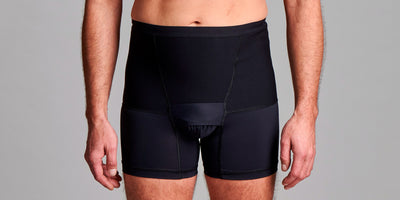
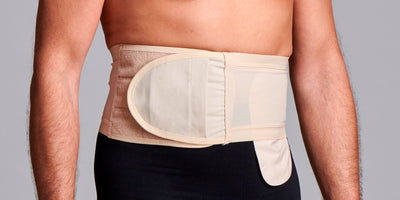
When you move beyond gentle recovery exercises, abdominal support becomes non-negotiable. A hernia belt acts as an external reinforcement for the abdominal wall, containing any potential bulge and providing stability during motion.
- Running with a Hernia Belt: If you are running with a hernia belt, ensure it is an anti-roll design (like the CUI Wear Support Belt) which maintains consistent compression and won't slip or crease. This targeted support is vital for shock absorption and stability during higher-impact activity.
- Lifting: Always wear your belt when lifting even moderate weights or picking up children/pets to provide crucial protection.
4. Appliance Management and Hydration
Never overlook your stoma appliance when exercising. A full pouch can feel heavy or cumbersome. Always empty your ostomy bag immediately before starting any workout. Furthermore, ensure you stay adequately hydrated, especially during higher intensity activity, as dehydration can affect your overall performance and recovery. For ileostomy users, carbohydrate-electrolyte drinks may be necessary to replace lost salts and fluids.

5. Listen to Your Body (Rest and Recovery)
Pain is your body's way of signalling distress. If you feel any discomfort, pressure, or a dragging sensation around your stoma, stop immediately. Over-exertion is the single greatest cause of hernia progression or development. Prioritise rest days as part of your overall fitness plan. Consistent, gentle exercise is far more beneficial than sporadic, intense workouts
Secure Your Movement: Shop CUI Hernia Support Belts
Finding the right support for active life is essential for safety and confidence. Our range of CUI Wear Anti-Roll Hernia Support Belts is specialised to provide consistent, all-day abdominal support for ostomates:
- Explore the Full Range: View all our support belts and find the perfect fit in our Support Belts Collection.
- Featured Option: We offer multiple depths (16cm, 20cm, 26cm) and styles, including our highly popular Anti-Roll Wraparound Support Belt, known for its targeted compression and comfort.
Want to see CUI Wear's sizing guides and stoma support journals first on Google?
Tap below to save us as a preference for your future Google Search and AI Overview results.
Add to Preferred Sources