



Why Compression is Not 'One Size Fits All'
The level of support you need for your ostomy pouch changes based on your activity, recovery stage, and individual body shape. Applying the correct amount of compression is vital, too little may leave you feeling insecure, and too much can interfere with appliance function or comfort. This guide helps you assess the various ostomy support levels available to match your specific needs. You can view our detailed guide on support levels and compression (mmHG) here.
Understanding the Three Levels of Support
Support garments generally fall into three levels, moving from gentle everyday wear to high-performance clinical needs:
| Support Tier | Compression (mmHg) | Purpose & Compression Level | When to Use |
|---|---|---|---|
| 1. Light Support | 4–6 mmHg | Gentle, foundational support for discretion and pouch stability. | Daily wear, social activities, gentle walking, and sleeping. |
| 2. Medium Support | 6–14 mmHg | Targeted compression, often elasticated, offering greater security. | Light exercise, moderate lifting, active weekends, or general support with a smaller hernia. |
| 3. Maximum Support | 14–24 mmHg | Firm, medical-grade compression, often achieved through belts or specialised girdles. | Strenuous exercise, heavy lifting (professional or domestic), and managing larger existing hernias. |

Key Factors: How Much Support Do You Need?
Determining how much support for stoma bag security you require depends on a few key factors:
Activity Level: If you lead an active life, lift heavy objects, or enjoy high-impact exercise (like running or dancing), you require maximum compression Level 3 to prevent the pouch from moving and to stabilise the abdomen. Level 2 is typically acceptable for everyday wear, but is generally not recommended for manual jobs, strenuous hobbies, or highly active lifestyles where Level 3 provides the necessary safety margin.
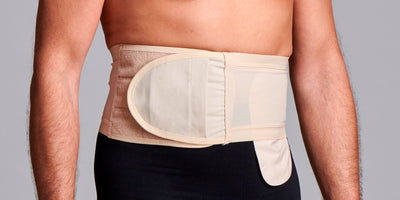
For maximum core stability or managing an existing parastomal bulge, Level 3 firm support is required. Wearing a specialist hernia belt offers firm, non-restrictive support that holds your stoma appliance securely against the abdominal wall during daily tasks and heavy lifting.
Stoma Site and Type: While all ostomies benefit from support, different stoma placements or pouch weights may require more customised or bespoke support solutions.
Presence of a Hernia: If you have developed a parastomal hernia, targeted firm compression (Level 3) is usually recommended to contain the bulge and prevent further aggravation. However, because every hernia is unique, Level 3 can sometimes provide too much compression for certain users; in these cases, we often bespoke and tailor the garment or pivot to Level 2 based on your specific lifestyle needs.
Appliance Security: For post-operative recovery (the first 6–8 weeks) or for peace of mind while sleeping, Level 1 support is ideal. If you frequently experience 'ballooning' or feel your appliance is noisy, medium support Level 2 provides the stability needed to hold the flange securely against your body. Please note Level 2 is not recommended for manual jobs/hobbies or active lifestyles.
Your Ostomy Belt Compression Guide
When selecting a belt, consider the compression rating and the width:
Belt Width (Depth): Belts come in various depths (e.g., 16cm, 20cm, 26cm). A wider belt (26cm) covers more of the abdomen and offers greater overall stability, often preferred for maximum support or managing larger hernias. A narrower belt (16cm) is more discreet and suitable for medium support.
Targeted & Bespoke Compression: Look for features like specialised anti-roll designs and adjustable wraps to fine-tune pressure. Because hernia management is deeply personal, we often recommend bespoke tailoring to ensure the garment meets your individual anatomical requirements.

Making the Final Choice (Consultation is Key)
Remember that ostomy support levels are best assessed by a professional. We strongly recommend discussing your lifestyle and needs with your Stoma Care Nurse (SCN) first.
Need personalised advice? Our dedicated support specialists offer a free consultation, including remote and at-home fitting in the UK, to ensure you select the medically compliant garment with the correct compression (mmHG) for your needs.
Important Note on Clinical Access: To ensure we provide the best care, CUI specialists require permission from your Stoma Care Nurse or GP before conducting a home or clinical visit, unless you are purchasing your garments privately. This collaboration ensures your support plan is medically compliant and aligned with your overall care.
Find out more about our support specialists here.
To arrange a consultation, please contact us on Freephone 0800 279 2050 or email us: customersupport@cuiwear.com
Shop Our Tailored Support Solutions
CUI Wear offers comprehensive support across all tiers, clearly labelled by support level and compression (mmHG). All products are specialised. Level 2 and Level 3 support is generally available on NHS prescription at your GP's discretion.
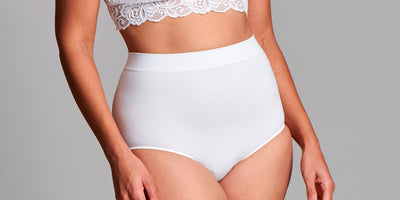
Level 1: Light Support Garments (4–6 mmHg): Explore our discreet underwear for post-op recovery (first 6–8 weeks), nighttime wear, and foundational security.
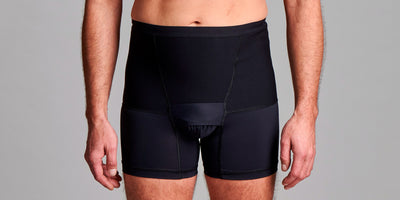
Level 2: Moderate Support Garments (6–14 mmHg): View our medium compression garments for standard daily use.
Level 3: Firm Support Garments (14–24 mmHg): Shop our maximum compression belts and specialist girdles for manual labor, physical activity, and hernia management.
Need Highly Specialised Support?
For complex medical requirements and advanced compression needs (24–40 mmHg), our Level 4 Bespoke Support service provides garments tailored exactly to your measurements and condition.
Arrange a Bespoke ConsultationWant to see CUI Wear's sizing guides and stoma support journals first on Google?
Tap below to save us as a preference for your future Google Search and AI Overview results.
Add to Preferred Sources